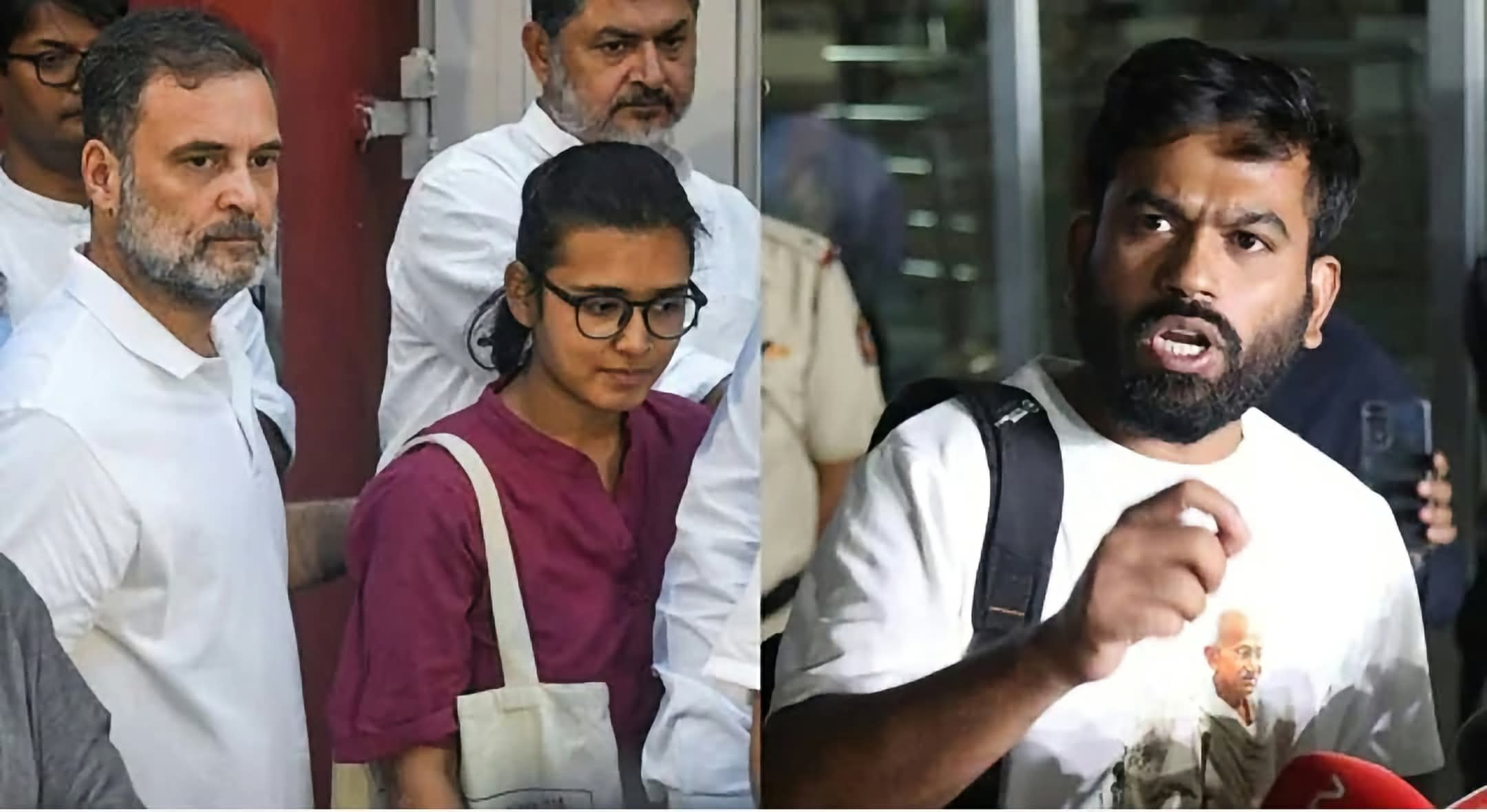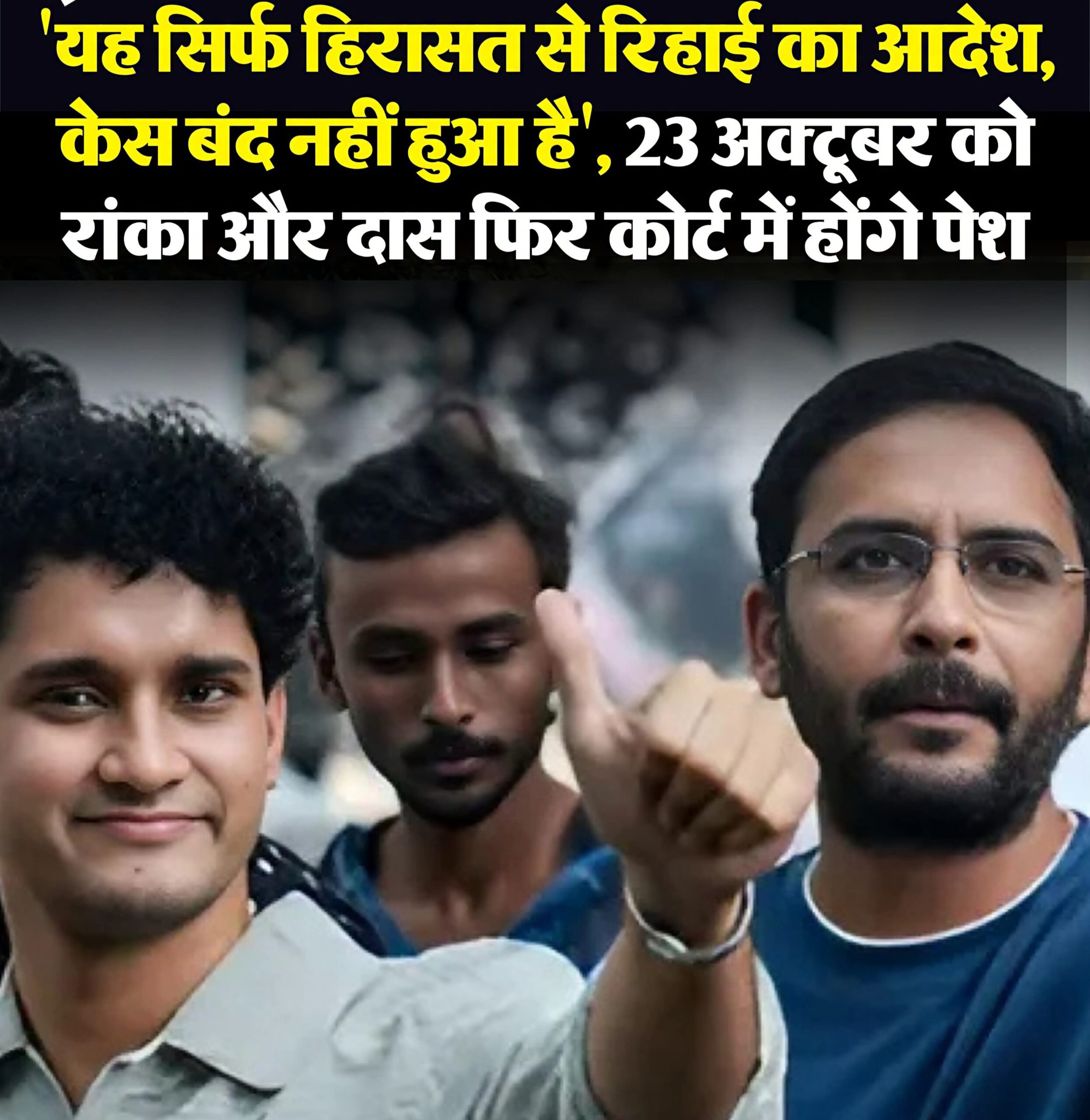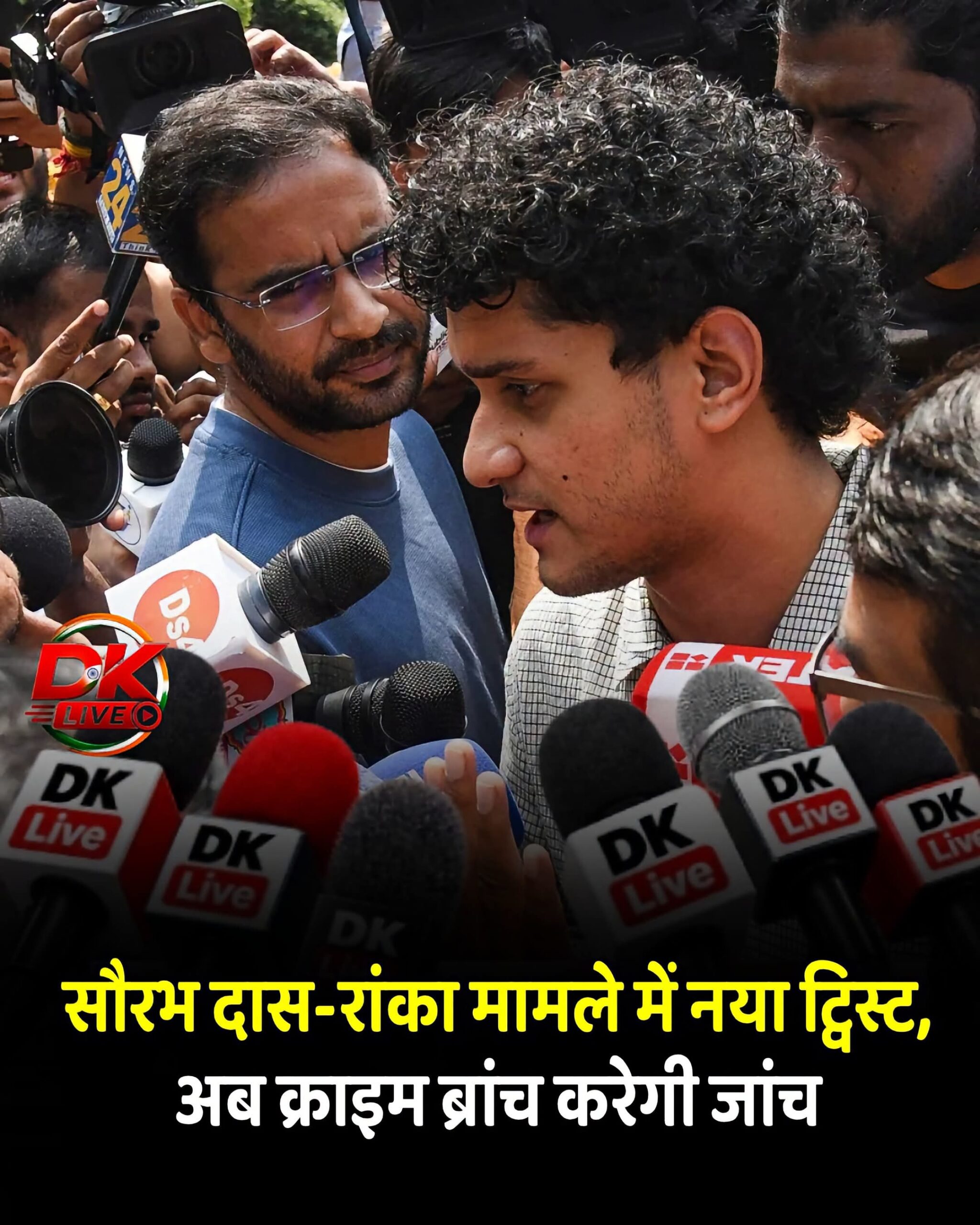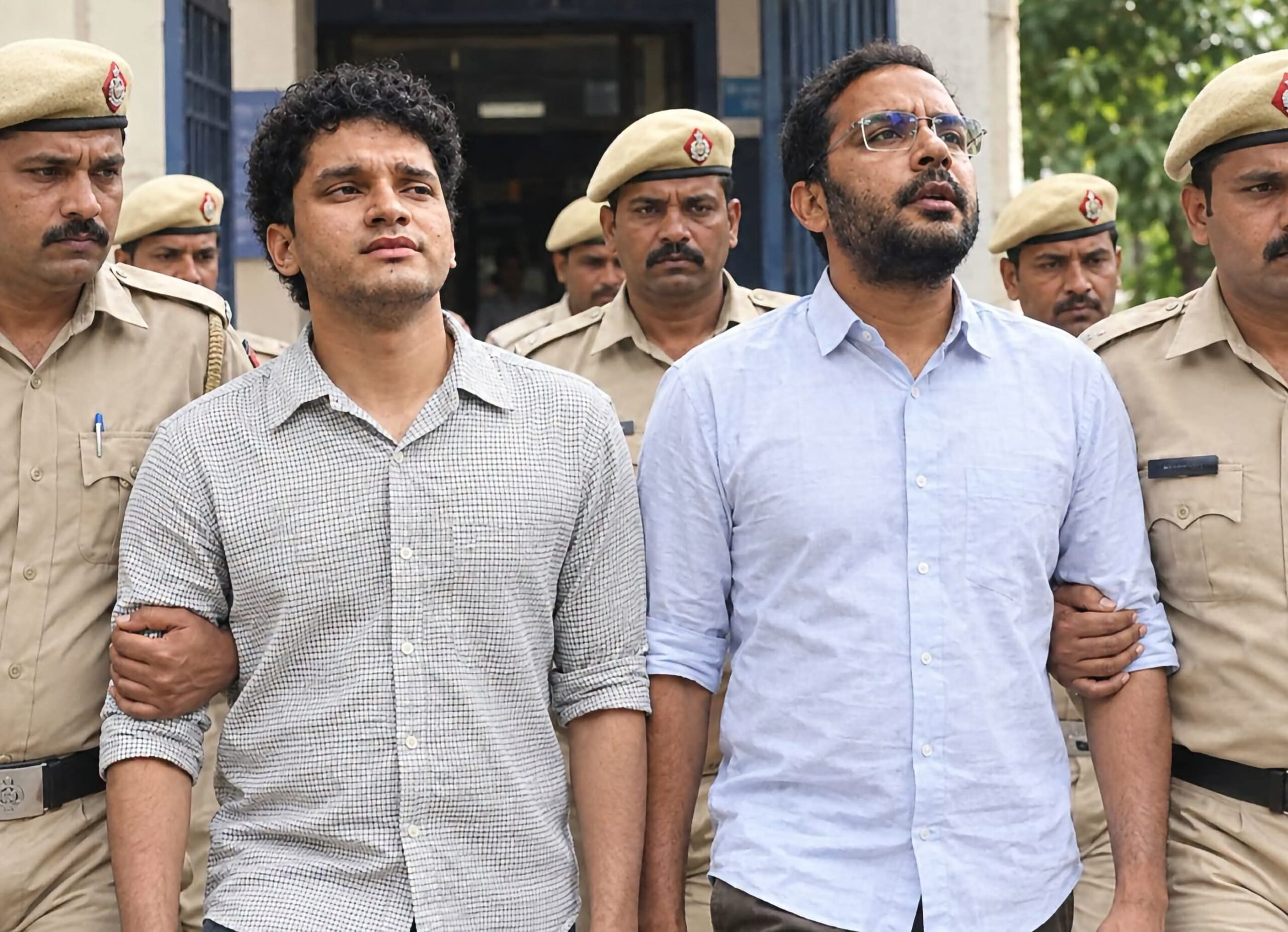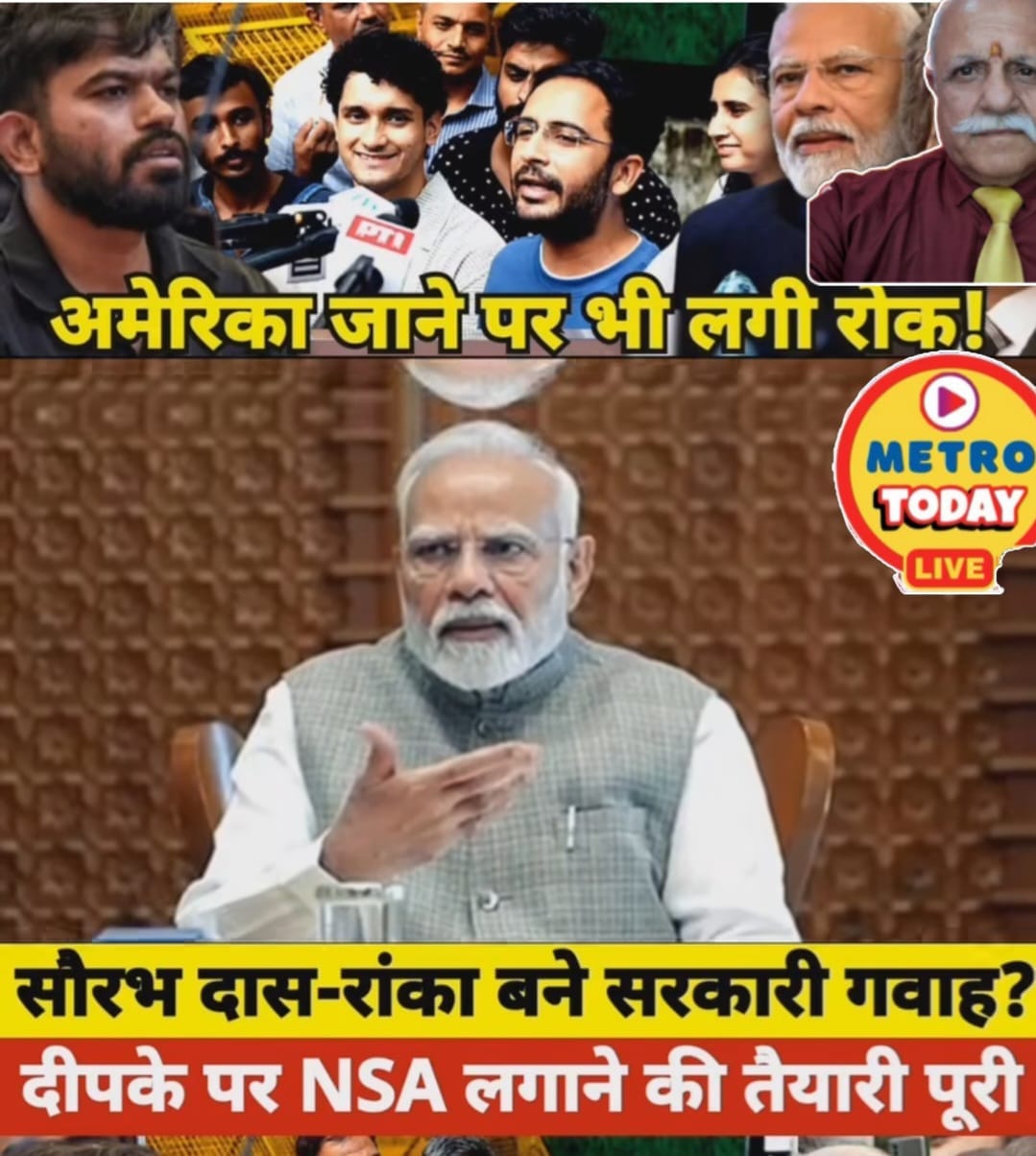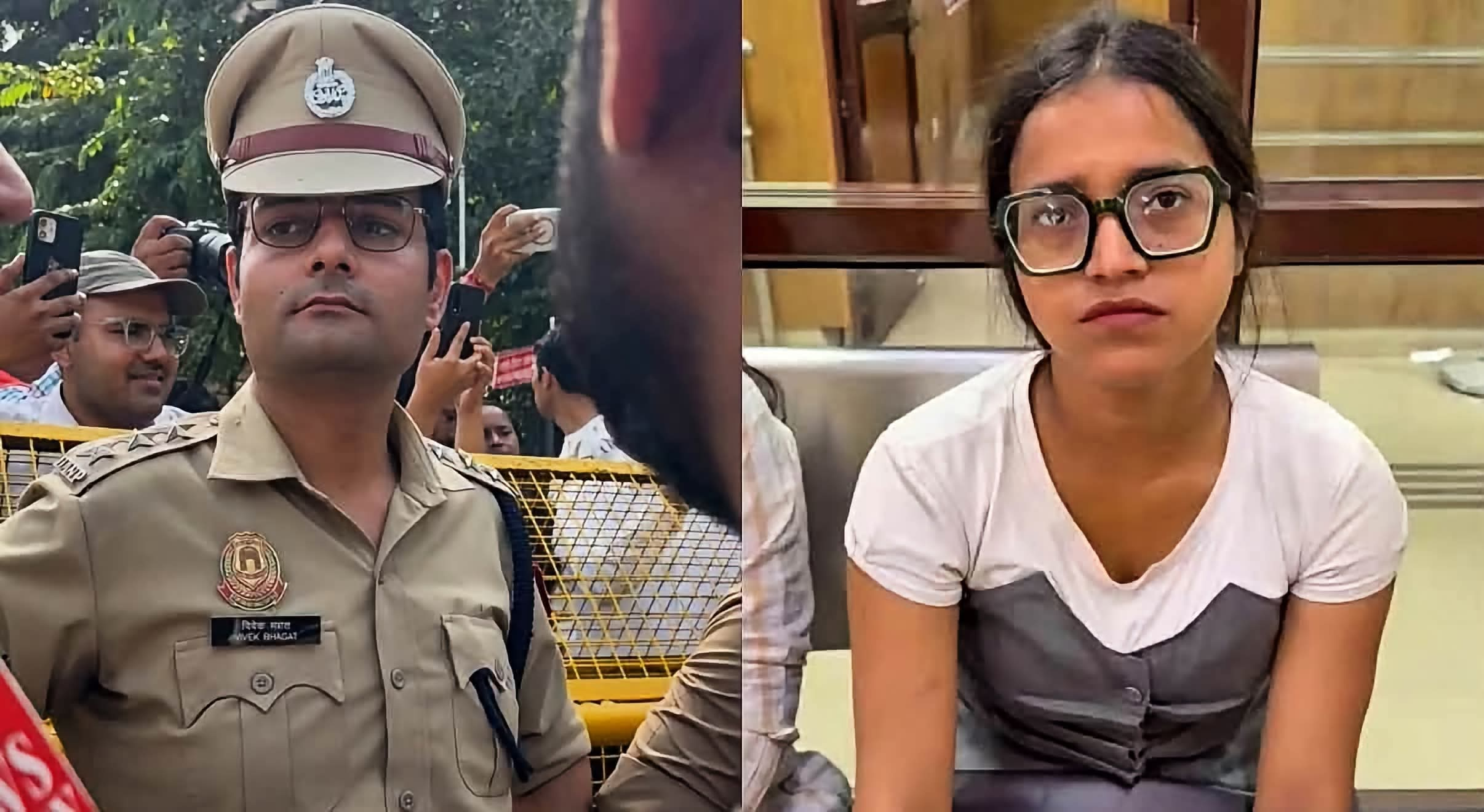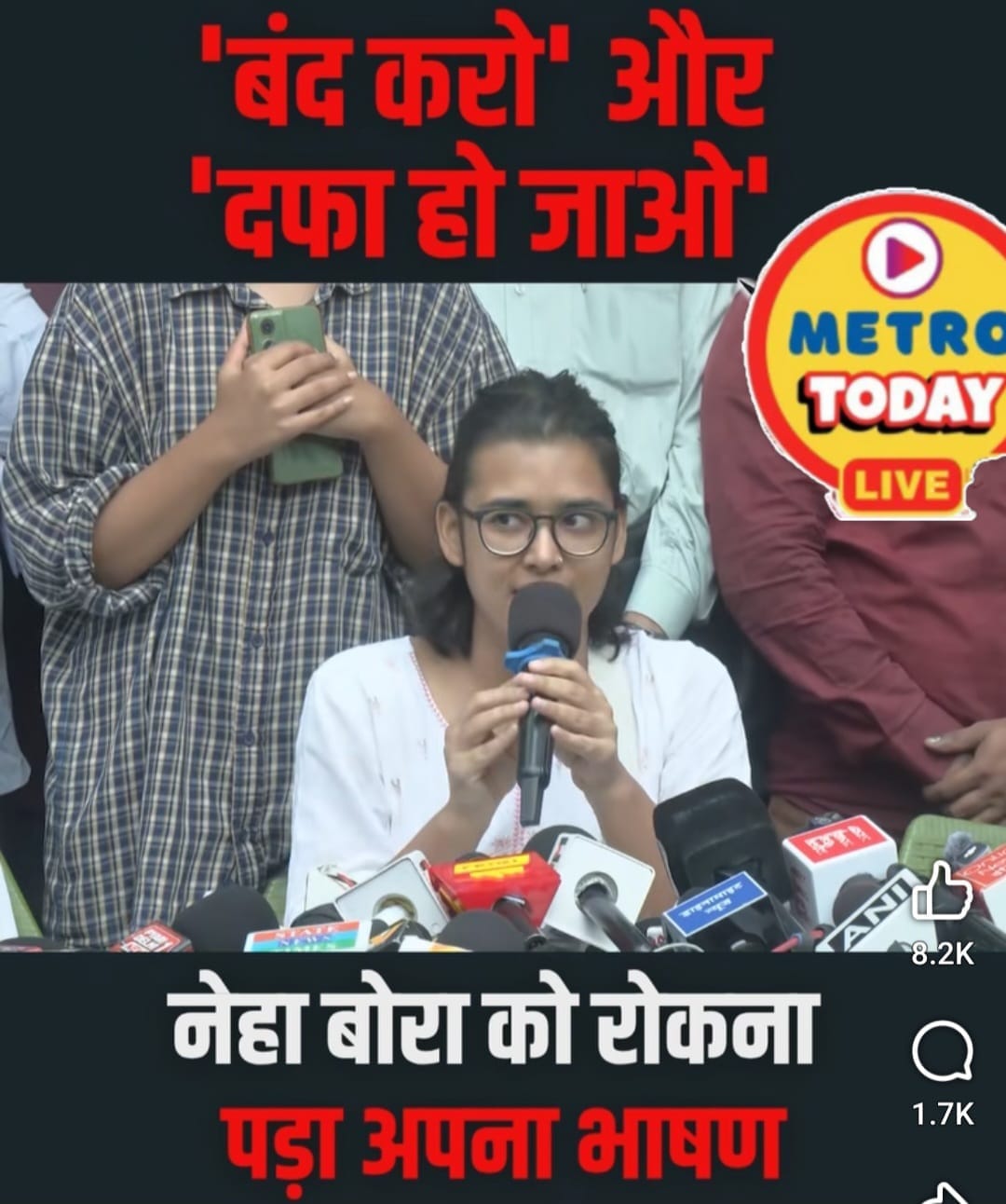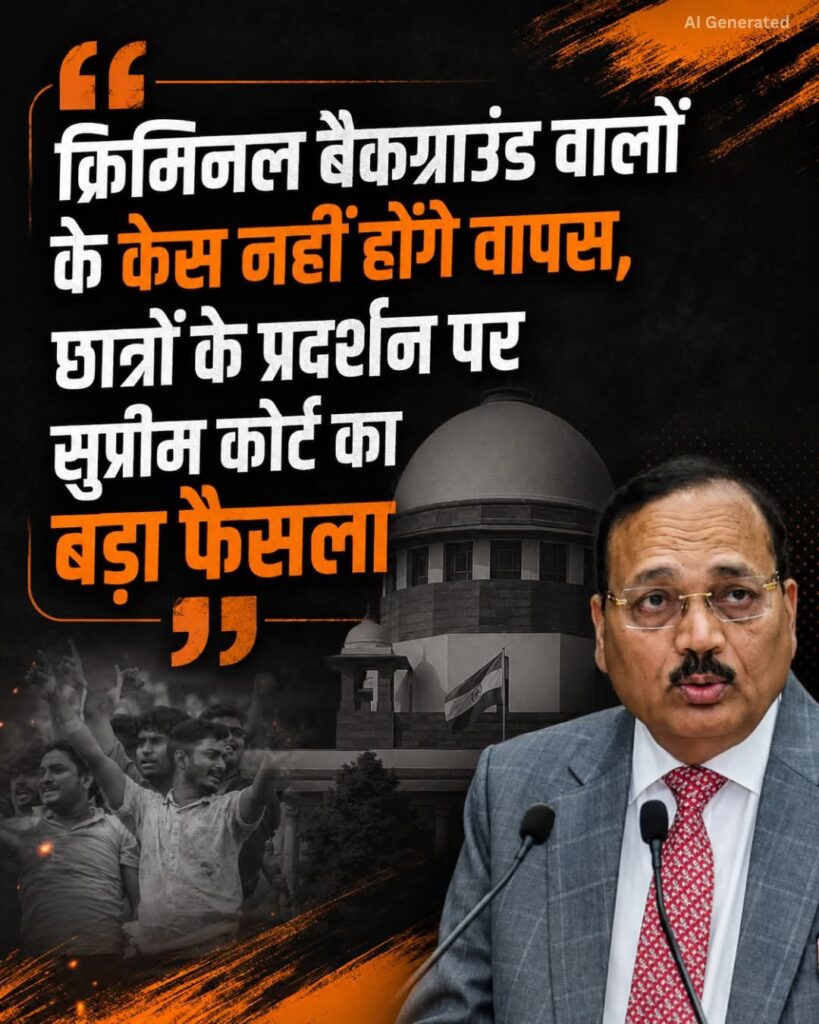


Sushil shanker vig editor in chief report  The Supreme Court’s intervention in the student-protest controversy has strengthened an important democratic principle: peaceful agitation cannot automatically justify police force or indiscriminate legal action. The Court reportedly directed authorities not to take coercive action against protesters, ordered the release of detained minors and sought protection of surveillance data collected during the demonstrations. It also indicated that allegations of police brutality and violence against officers must be independently examined.
However, the claim that every criminal case will permanently remain or that no case can ever be withdrawn is too broad. Peaceful students deserve protection, while anyone credibly accused of violence, vandalism or attacks must face a fair investigation based on evidence—not political pressure or collective punishment.
Democracy protects the right to dissent, but it does not protect criminal conduct. The same standard must apply to protesters and police personnel. Authorities should distinguish peaceful participants from individuals involved in violence and ensure that innocent students are not trapped in lengthy legal proceedings.